
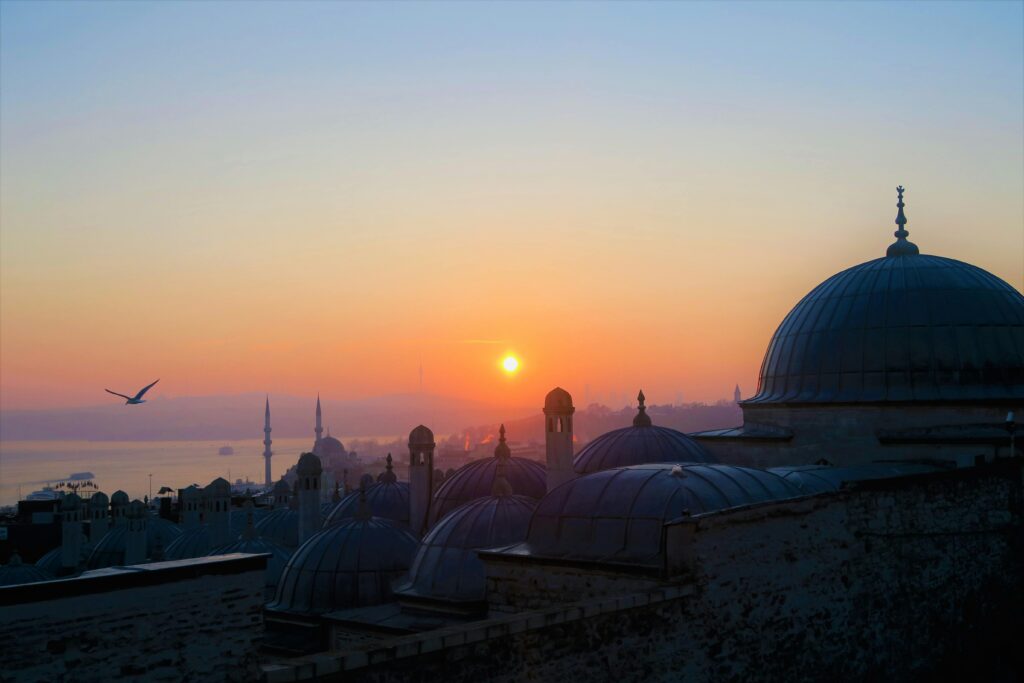
For over a thousand years, Islam has shaped Africa’s identity in ways both profound and complex. From architecture and language to fashion and governance, its influence runs deep across the continent. Today, we count down 10 surprising ways Islam has impacted African culture — some empowering, others controversial.
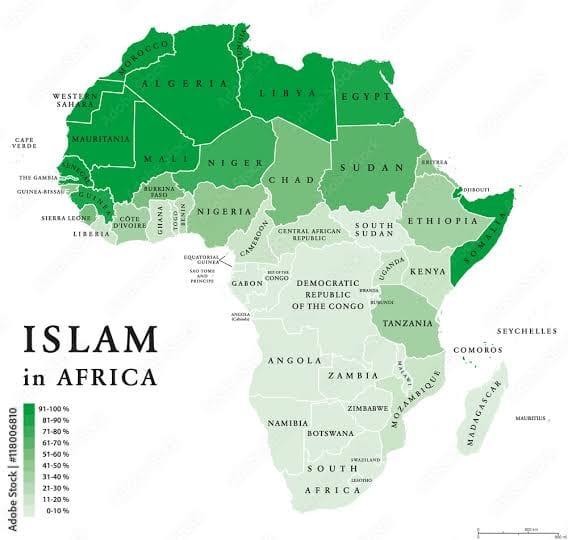
[10] — Trade and Urban Growth:
Islam first entered Africa through North African traders. Cities like Timbuktu, Cairo, and Zanzibar became thriving centers of commerce and scholarship because of Muslim trade networks.
[9] — Education and Literacy:
Islam introduced Arabic literacy to millions. Quranic schools became the foundation of early African education systems, producing generations of scholars.
[8] — Architecture:
From the Great Mosque of Djenné in Mali to the coral stone mosques of East Africa, Islamic architecture blended seamlessly with local traditions, leaving a permanent cultural footprint.
[7] — Language Influence:
Arabic words entered Swahili, Hausa, and Wolof vocabularies, influencing how millions of Africans communicate daily.
[6] — Cultural Exchange:
Islamic culture connected Africa to the broader world — from the Middle East to Asia — through art, fashion, and science.
[5] — Political Systems:
Islamic governance models influenced African kingdoms like Mali, Songhai, and Kanem-Bornu, blending Islamic law with traditional African leadership structures.
[4] — Gender Roles:
Islam changed perceptions of gender and family structures, sometimes clashing with indigenous matriarchal traditions.
[3] — Slavery and Expansion:
The trans-Saharan slave trade expanded under Islamic influence, as Africans were traded across North Africa and the Middle East — a painful and often forgotten chapter of history.
[2] — Cultural Identity:
Islam created a dual identity for many Africans — blending traditional beliefs with Islamic faith, forming unique African-Muslim cultural expressions.
[1] — Modern Legacy:
Today, Islam remains deeply rooted in African society, practiced by nearly half of the continent’s population, shaping everything from politics to music and fashion.
[Outro & Call to Action]
Africa’s story is not one of domination — but of adaptation, resilience, and transformation.
If you love exploring Africa’s untold stories, subscribe to Africarized on YouTube for more powerful content like this.
And don’t forget to check out the Africarized Shop — where we celebrate African heritage through bold apparel, accessories, and décor inspired by our roots.
- 📺 Subscribe to our YouTube channel for more African history and culture:
- 🎵 Follow us on TikTok
- 📘 Join our Facebook community
- 🛍️ Shop African-inspired apparel, décor, and accessories:
Africarized — Telling Africa’s Story, Our Way.