
The Warrior King Who Reshaped Southern Africa
Few African leaders have left as deep and dramatic a mark on history as King Shaka kaSenzangakhona, the legendary founder of the Zulu Kingdom. Rising from a childhood marked by rejection, Shaka built one of the most formidable African states of the 19th century. His story is powerful, complex, and often controversial—an epic of brilliance, brutality, innovation, and political intrigue.
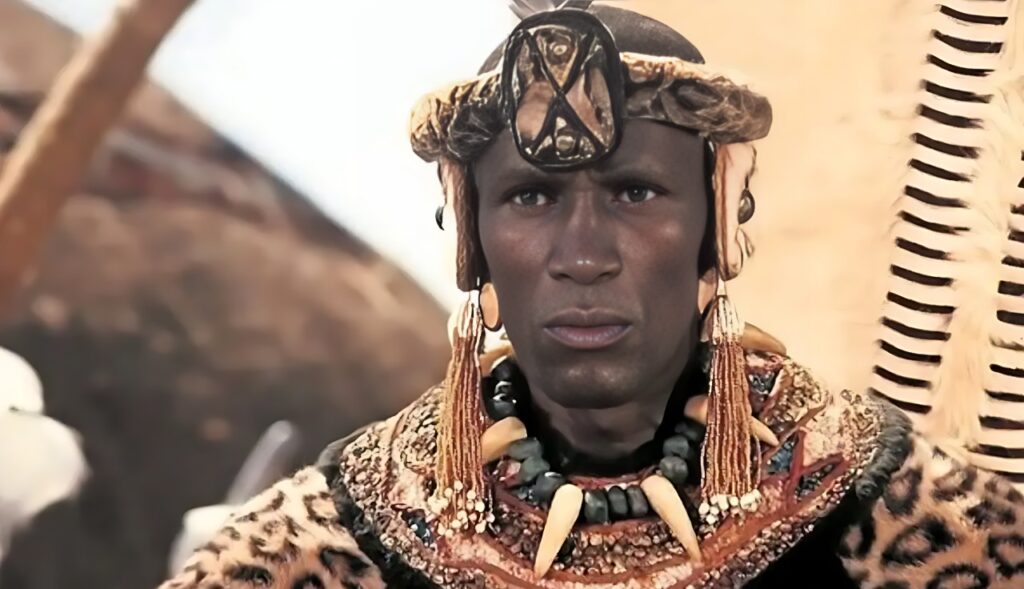
A Troubled Beginning
Born in 1787 in present-day KwaZulu-Natal, Shaka’s early life was anything but royal. Although the son of Zulu chief Senzangakhona, he was labeled “illegitimate” and forced to grow up among his mother Nandi’s people, the Elangeni. This rejection hardened him—and likely shaped the fierce determination he showed later in life.
As a young man, Shaka found stability and purpose when he joined the army of Dingiswayo, leader of the powerful Mthethwa Paramountcy. Dingiswayo recognized Shaka’s talent and entrusted him with command responsibilities, exposing him to advanced military organization and strategy. This mentorship would prove foundational.
The Rise of a Military Innovator
When Dingiswayo was later killed by Zwide, king of the Ndwandwe, Shaka returned to the Zulu people with both grief and ambition. Backed by Mthethwa supporters, he rose to leadership in 1816 and immediately began reshaping the Zulu into a tightly organized military state.
Key Innovations Introduced by Shaka
- The “iklwa” short stabbing spear, designed for close combat and psychological intimidation.
- The large cowhide shield, used not only for protection but to hook and control an opponent’s shield.
- The “bull-horn” formation, a brilliant three-part attack system consisting of the chest (main force), horns (encircling flanks), and loins (reserves).
- Age-based regiments stationed in military kraals, creating a disciplined, unified fighting force.
These innovations allowed the Zulu to outmaneuver and overwhelm rival clans who relied on older, ritualized combat methods.
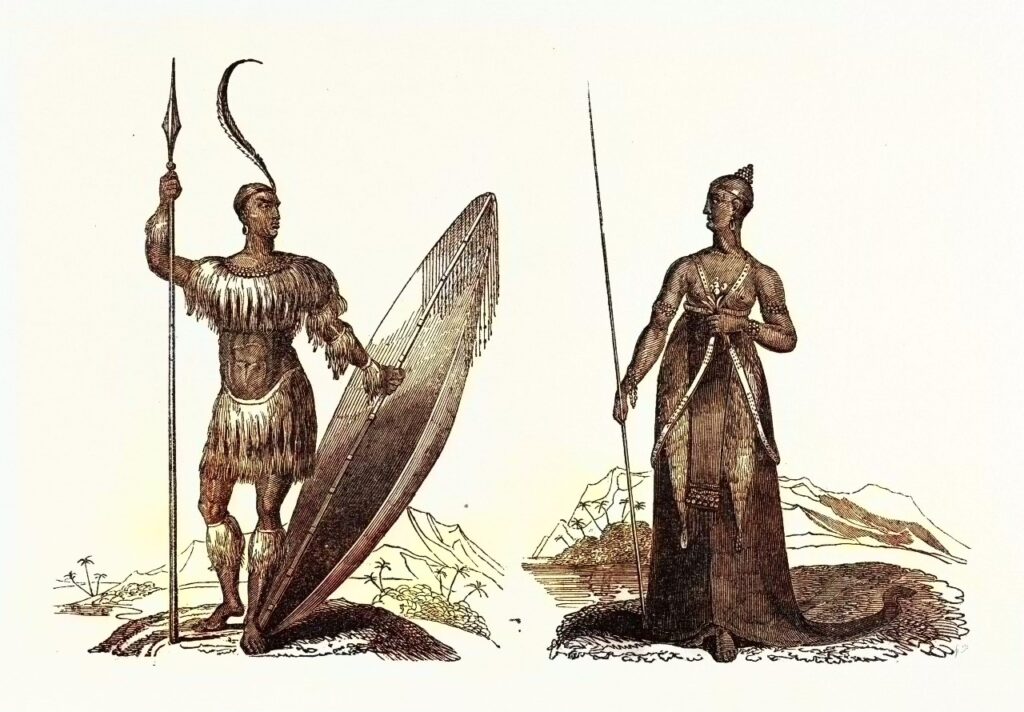
Triumph Over Zwide and the Expansion of the Zulu Kingdom
Shaka’s greatest military tests came against the Ndwandwe, the very power that had killed his mentor. Battles such as Gqokli Hill and the Mhlatuze River demonstrated the effectiveness of his tactics. Although his forces suffered heavy losses, Shaka emerged victorious—breaking Ndwandwe dominance and unleashing far-reaching regional consequences.
As Zulu power grew, many neighboring clans sought refuge elsewhere. This period of upheaval, displacement, and conflict became known as the Mfecane/Difaqane, a topic that still fuels debate. Some historians view Shaka as a central cause; others argue that the forces shaping the region were far more complex.
A Complex and Controversial Legacy
Shaka was both revered and feared. He rewarded loyalty generously but punished defiance harshly. Stories of his strict discipline—sometimes exaggerated, sometimes corroborated—paint a picture of a ruler obsessed with unity, strength, and expansion.
His mother Nandi’s death in 1827 triggered a period of deep mourning and instability. Shaka’s grief reportedly led to extreme prohibitions and severe punishments, causing resentment among his subjects and commanders.
The Assassination
On 24 September 1828, Shaka was assassinated by his half-brothers Dingane and Mhlangana, aided by the warrior Mbopha. With much of the army away on campaign, the poorly defended royal kraal allowed for a swift and decisive coup.
Shaka’s body was hidden in an unmarked grave, and Dingane assumed the throne—immediately eliminating many of Shaka’s supporters.
Shaka’s Enduring Influence
Despite his violent end, Shaka’s impact is undeniable:
- He united scattered clans into a centralized Zulu state.
- His military innovations reshaped warfare in southern Africa.
- His legacy influenced leaders like Mzilikazi and Zwangendaba, whose followers migrated across the continent.
- His story continues to inspire books, series, films, and global fascination.
Even today, Zulu praise poems, monuments, and cultural traditions remember him as both a nation-builder and a cautionary figure.
Celebrate African Heritage With Africarized
If you’ve enjoyed this deep dive into one of Africa’s most influential rulers, continue your journey with us:
- 📺 Subscribe to our YouTube channel for more African history and culture:
- 🎵 Follow us on TikTok
- 📘 Join our Facebook community
- 🛍️ Shop African-inspired apparel, décor, and accessories:
Together, let’s celebrate Africa’s stories—powerful, inspiring, and beautifully Africarized.